
Ignoring dental problems is one of the most common mistakes people make. Many individuals assume that tooth pain or gum discomfort will resolve on its own. However, in reality, delaying dental care often leads to serious complications. What starts as mild sensitivity can quickly develop into infection, nerve damage, or even tooth loss.
Therefore, understanding the warning signs you should visit a dentist immediately can protect not only your oral health but also your overall well-being. In this comprehensive guide, we will explain the symptoms that require immediate dental care, highlight dental problems you should not ignore, and clarify when dental pain becomes an emergency.
Why Immediate Dental Care Is Important
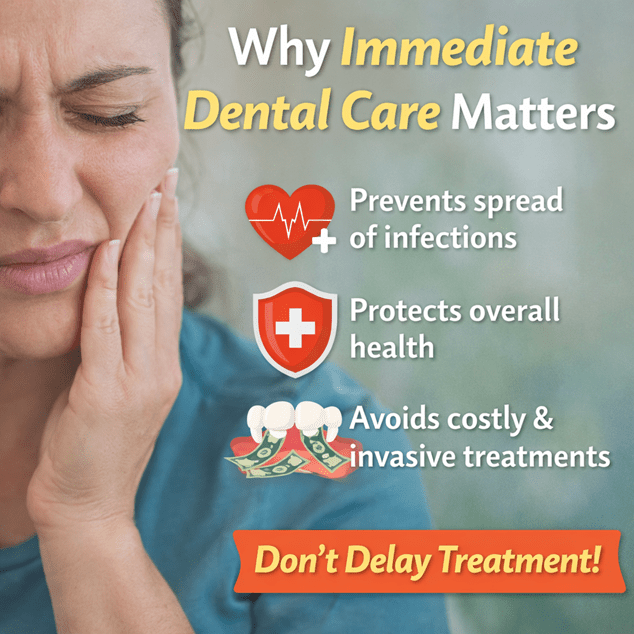
First and foremost, dental issues are not just about discomfort. The mouth is closely connected to the rest of the body. Infections that begin in the teeth or gums can spread into the jaw, bloodstream, and even vital organs if left untreated.
For example, untreated abscesses can lead to systemic infections. Similarly, advanced gum disease has been linked to heart conditions and diabetes complications. Consequently, recognizing dental emergency symptoms early ensures faster treatment, prevents complications, and reduces long-term treatment costs.
If you experience sudden pain, swelling, bleeding, or unusual symptoms, it is essential to act quickly rather than waiting for the problem to worsen.
1. Severe or Persistent Tooth Pain
Tooth pain is the most common reason people visit a dentist. While mild sensitivity may not require urgent attention, severe or persistent tooth pain is a clear warning sign.
Why It’s Serious
Persistent toothache may indicate:
- Deep cavities reaching the nerve
- Dental abscess
- Cracked or fractured tooth
- Infected pulp
- Impacted wisdom tooth
Moreover, if the pain lasts more than 24 hours, worsens at night, or radiates to the ear or jaw, it signals a deeper issue. In such cases, this is exactly when dental pain becomes an emergency.
Ignoring intense pain can allow infection to spread. Therefore, immediate professional evaluation is crucial.
2. Swollen Gums, Jaw, or Face
Swelling is your body’s response to infection or inflammation. However, swelling in the gums, jawline, or face should never be ignored.
Symptoms That Require Immediate Dental Care
- Puffy, red, or tender gums
- Swelling near the jaw
- Facial asymmetry
- Pain while opening the mouth
- Fever along with swelling
In particular, facial swelling combined with fever may indicate a spreading infection. Because infections in this area can affect breathing or swallowing, this is considered one of the most dangerous dental emergency symptoms.
Therefore, prompt dental attention is absolutely necessary.
3. Bleeding Gums That Don’t Stop
Occasional mild bleeding while brushing may occur due to improper technique. However, continuous or spontaneous bleeding is not normal.
Possible Causes
- Advanced gum disease (periodontitis)
- Oral infection
- Trauma
- Vitamin deficiency
- Blood-related disorders
Furthermore, untreated gum disease can destroy supporting bone and eventually cause tooth loss. For this reason, bleeding gums are among the dental problems you should not ignore.
Early treatment can reverse gum inflammation and protect your teeth from long-term damage.
4. Loose or Shifting Teeth
Adult teeth should feel stable and secure. If you notice movement, shifting, or new gaps between teeth, it may signal serious underlying problems.
Signs of Serious Dental Problems
- Loose teeth
- Receding gums
- Persistent bad breath
- Pus around the gums
- Pain while chewing
In many cases, this indicates advanced periodontal disease or bone loss. Consequently, knowing how to know if you need a dentist urgently becomes clear when teeth start moving.
Delaying care at this stage significantly increases the risk of permanent tooth loss.
5. Sudden and Sharp Sensitivity
Tooth sensitivity is common; however, sudden sharp pain triggered by hot or cold foods is not normal.
Potential Causes
- Enamel erosion
- Exposed tooth roots
- Tooth decay
- Cracked tooth
- Failing dental filling
If the sensitivity lingers for several seconds or becomes painful, it may indicate nerve involvement. Therefore, this is one of the warning signs you should visit a dentist immediately.
Early intervention can prevent root canal treatment or more invasive procedures.
6. Pus, Bad Taste, or Foul Odor
A persistent bad taste or unpleasant smell in the mouth can indicate infection.
Symptoms That Require Immediate Dental Care
- White or yellow pus near gums
- Bitter or metallic taste
- Swelling with discharge
- Fever or fatigue
A dental abscess is a pocket of infection that forms inside the tooth or gums. Because abscesses can spread to surrounding tissues, they are considered medical emergencies.
Thus, seeking immediate care is critical to prevent serious health complications.
7. Broken, Cracked, or Knocked-Out Tooth
Dental trauma can occur during sports, accidents, or even while chewing hard food. Even if there is minimal pain, damage to the tooth requires urgent care.
Dental Emergency Symptoms Include:
- Visible cracks
- Broken or chipped teeth
- Knocked-out tooth
- Pain when biting
Importantly, if a tooth is completely knocked out, immediate action can save it. Dentists may be able to reinsert the tooth if treated quickly.
Therefore, do not delay treatment after dental trauma.
8. Jaw Pain, Stiffness, or Clicking Sounds
Jaw discomfort may indicate temporomandibular joint (TMJ) disorders or infection.
Warning Signs Include:
- Jaw locking
- Clicking or popping sounds
- Pain radiating to ears or neck
- Difficulty chewing
- Frequent headaches
Although jaw issues may develop gradually, they should not be ignored. Over time, untreated TMJ disorders can cause chronic pain and limited jaw movement.
Consequently, early diagnosis ensures proper management and long-term comfort.
9. Mouth Sores That Don’t Heal
Most mouth ulcers heal within 7–10 days. However, sores that persist longer require professional evaluation.
Dental Problems You Should Not Ignore
- White or red patches
- Non-healing sores
- Painful lesions
- Bleeding ulcers
- Thickened tissue
Persistent mouth sores may indicate infection, immune disorders, or serious oral conditions. Therefore, any sore lasting more than two weeks should be examined by a dentist.
Early detection can significantly improve treatment outcomes.
10. Fever Along with Dental Pain
A fever combined with tooth pain is a strong indicator of infection spreading beyond the tooth.
When Dental Pain Becomes an Emergency
- Fever
- Facial swelling
- Difficulty swallowing
- Fatigue
- Swollen lymph nodes
At this stage, the infection may be entering surrounding tissues or the bloodstream. As a result, this becomes one of the most urgent dental emergency symptoms.
Immediate dental care is essential to prevent life-threatening complications.
How to Know If You Need a Dentist Urgently

If you are unsure whether your condition requires immediate care, ask yourself the following:
- Is the pain severe or worsening?
- Is there swelling, pus, or bleeding?
- Is chewing or speaking painful?
- Do you have fever or facial swelling?
- Has the problem lasted more than two days?
If you answer yes to any of these questions, you should seek immediate dental attention. Acting quickly can prevent permanent damage and costly procedures.
Why You Should Never Ignore Dental Problems
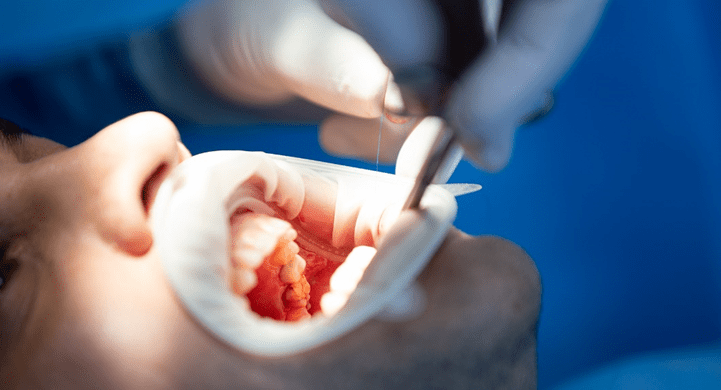
Many people delay treatment due to fear, busy schedules, or financial concerns. However, postponing dental care often leads to:
- Tooth loss
- Spread of infection
- Increased treatment costs
- Bone damage
- Chronic pain
On the other hand, early treatment is usually simple, less invasive, and more affordable. For example, treating a small cavity is far easier than performing a root canal or extraction later.
Therefore, preventive and timely care always saves time, money, and discomfort.
Choosing the Right Dental Clinic for Emergency Care
When facing a dental emergency, selecting the right clinic makes a significant difference. A professional and well-equipped clinic ensures accurate diagnosis and immediate relief.
Look for:
- Experienced and qualified dentists
- Emergency dental services
- Advanced diagnostic technology
- Hygienic environment
- Personalized treatment approach
- Patient-friendly care
Most importantly, choose a clinic that prioritizes prompt response and compassionate care.
Final Thoughts
Understanding the 10 warning signs you should visit a dentist immediately can protect your smile and your overall health. From severe tooth pain and swelling to bleeding gums and infections, these symptoms should never be ignored.
Moreover, early action prevents complications, reduces treatment costs, and ensures long-term oral health. If you experience any dental emergency symptoms, do not wait for the pain to disappear on its own.
Instead, consult a qualified dental professional immediately. Acting quickly can save your tooth, preserve your smile, and safeguard your overall well-being.