
Many people visit a dentist only when they experience pain or discomfort. However, waiting for a problem to arise can lead to serious oral health issues. One of the most common questions patients ask is how often should you visit a dentist for optimal oral health?
In this expert guide, we’ll explain dentist visit frequency, the importance of regular dental visits, how often different age groups should schedule appointments, and why choosing the best dental clinic in Vizag, Vizianagaram, or Srikakulam makes a big difference in long-term dental health.

Your mouth is constantly exposed to bacteria, food particles, and acids that can damage teeth and gums. Even with good brushing and flossing habits, plaque and tartar can build up in areas that are difficult to clean at home.
Regular dental visits help:
- Detect cavities early
- Prevent gum disease
- Remove hardened plaque (tartar)
- Identify oral health problems before they worsen
- Maintain fresh breath and a confident smile
Skipping routine checkups often results in more complex and expensive treatments later.
Dentist Visit Frequency: What Do Experts Recommend?
General Recommendation
Most dental experts recommend a routine dental checkup every 6 months. This twice-a-year schedule is considered ideal for maintaining healthy teeth and gums.
This standard dental checkup frequency allows dentists to:
- Monitor oral health changes
- Catch early signs of decay or infection
- Perform professional cleaning
- Provide preventive advice
However, dentist visit frequency may vary depending on individual needs.
How Often to See a Dentist Based on Age
Children
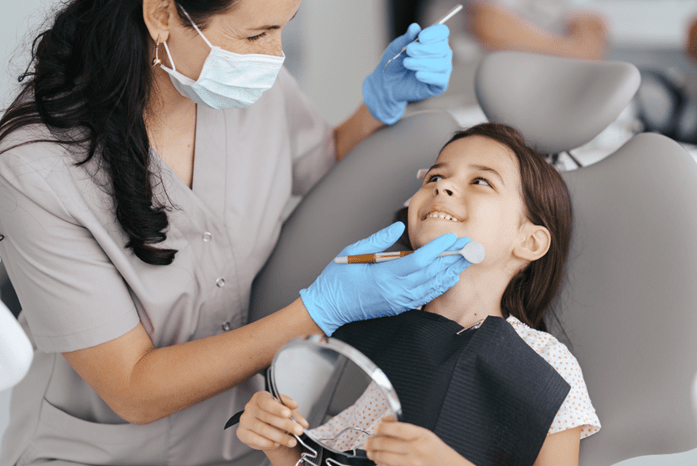
Children should start visiting a dentist by their first birthday or when the first tooth appears.
- How often to see a dentist: Every 6 months
- Helps prevent cavities
- Encourages good oral habits early
- Monitors tooth development
Regular visits also reduce dental anxiety in children.
Adults
For most adults with healthy teeth and gums:
- Dental checkup frequency: Every 6 months
- Includes cleaning, examination, and preventive care
Adults with braces, crowns, or a history of dental problems may need more frequent visits.
Seniors
Older adults are more prone to:
- Gum disease
- Dry mouth
- Tooth wear
- Tooth loss
For seniors, regular dental visits every 3–6 months may be recommended to maintain oral health and comfort.
When You May Need More Frequent Dental Visits
While six months is standard, some people require more frequent checkups.
You may need a dentist visit every 3–4 months if you have:
- Gum disease (periodontitis)
- Diabetes
- Weak immune system
- Frequent cavities
- Smoking or tobacco habits
- Dental implants
Your dentist will decide the best dentist visit frequency based on your oral health condition.
Routine Dental Checkup: What Happens During the Visit?

Many people avoid dental visits due to fear or uncertainty. Knowing what happens during a routine dental checkup can ease anxiety.
A typical checkup includes:
- Examination of teeth and gums
- Checking for cavities and decay
- Gum disease assessment
- Professional cleaning
- Polishing to remove stains
- X-rays if needed
This preventive approach keeps your mouth healthy and reduces the risk of dental emergencies.
Benefits of Regular Dental Visits
1. Early Detection of Dental Problems
Cavities and gum disease often start silently. Regular dental visits help identify issues before pain begins.
2. Prevention Is Better Than Cure
Preventive care is less painful, less expensive, and more effective than corrective treatments.
3. Healthier Gums and Teeth
Professional cleanings remove plaque and tartar that brushing cannot.
4. Better Overall Health
Oral health is linked to heart disease, diabetes, and respiratory issues. Maintaining dental health supports overall well-being.
How Often to See a Dentist If You Have Dental Pain
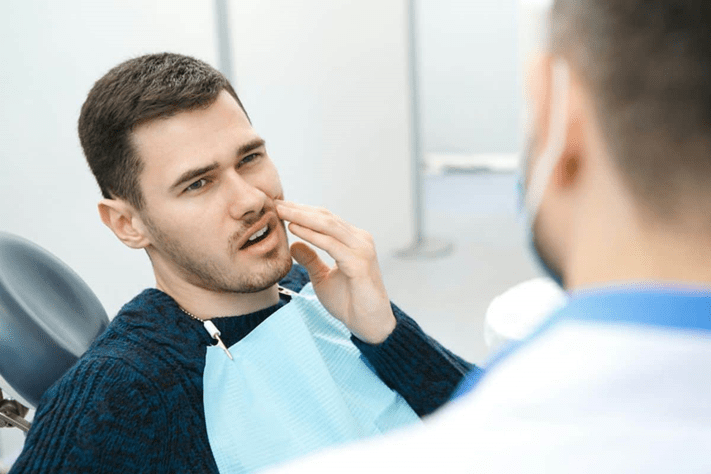
If you experience:
- Toothache
- Bleeding gums
- Swelling
- Sensitivity
- Bad breath that doesn’t go away
You should visit a dentist immediately, regardless of your last checkup. Pain is a sign that your routine dental checkup may have been delayed.
Common Myths About Dental Checkup Frequency
Myth 1: I Brush Well, So I Don’t Need a Dentist
Even perfect brushing cannot remove tartar buildup.
Myth 2: No Pain Means No Problem
Many dental issues are painless in early stages.
Myth 3: Dental Visits Are Only for Treatment
Most dental visits are preventive, not corrective.
Choosing the Best Dental Clinic in Vizag, Vizianagaram & Srikakulam

Regular visits are only effective when you choose the right clinic. The best dental clinic in Vizag, best dental clinic in Vizianagaram, and best dental clinic in Srikakulam offer:
- Experienced and qualified dentists
- Advanced diagnostic tools
- Preventive and cosmetic dentistry
- Hygienic environment
- Personalized treatment plans
A trusted clinic ensures your routine dental checkup is comfortable, accurate, and beneficial.
Why Local Dental Care Matters
Choosing a nearby dental clinic makes it easier to maintain regular dental visits. Local clinics understand regional patient needs and ensure timely appointments, especially during emergencies.
Patients in Vizag, Vizianagaram, and Srikakulam benefit from accessible, high-quality dental care close to home.
Expert Advice: How Often Should You Visit a Dentist?
To summarize:
- Every 6 months for most people
- Every 3–4 months for high-risk individuals
- Immediately if you experience pain, swelling, or bleeding
Following the right dentist visit frequency helps maintain a healthy smile for life.
Conclusion
Understanding how often to see a dentist is key to maintaining excellent oral health. A consistent dental checkup frequency, combined with good home care, prevents cavities, gum disease, and costly treatments.
Don’t wait for pain to decide your next visit. Schedule regular dental visits at the best dental clinic in Vizag, Vizianagaram, or Srikakulam and take a proactive step toward lifelong oral health.