Gum health is one of the most essential, yet most overlooked, parts of oral hygiene. Many people focus mainly on brushing, whitening, or cavity prevention, while forgetting that the gums actually support and protect the teeth. Unfortunately, gum disease is silent, sneaky, and extremely common. It often begins with mild symptoms that are easy to ignore and can slowly progress into severe infection or even tooth loss.
Understanding what gum disease is, learning to recognise the symptoms, and knowing what action to take can help you protect your smile for life. Whether you live in Vizag, Srikakulam, or Vizianagaram, early preventive dental care and timely professional treatment make a big difference.
This guide covers everything—from early signs, causes, and treatments to daily gum-healthy habits and why professional dental cleaning is critical for long-term oral health.
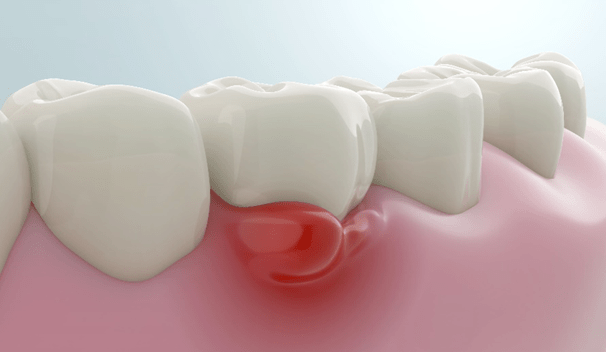
Gum disease, also known as periodontal disease, is an infection of the tissues surrounding your teeth. It primarily occurs due to plaque, a sticky film of bacteria that forms on the teeth every day. If not removed regularly through proper brushing, flossing, and dental cleaning, plaque hardens into tartar. As a result, the gums become inflamed, irritated, and infected.
There are two main stages of gum disease:
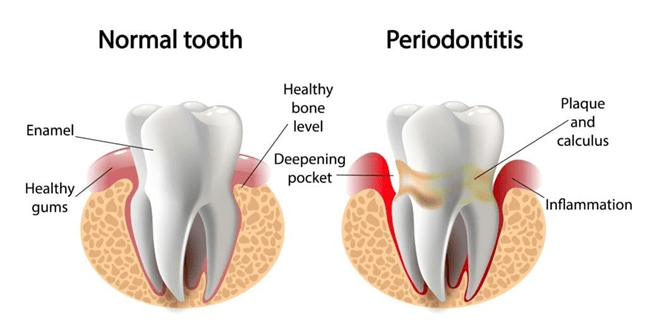
Gingivitis is the mildest form. Plaque buildup irritates the gums, causing inflammation and bleeding. Fortunately, gingivitis is completely reversible with professional cleaning and good home care.
If gingivitis is untreated, it advances into periodontitis. This deeper infection affects the roots, supporting tissues, and jawbone. The gums may start pulling away, forming pockets where harmful bacteria multiply. Without treatment, bone loss and tooth mobility occur, eventually leading to tooth loss.
Gum disease often develops without pain in the early stage, which is why many people do not notice it. Recognising the symptoms early helps prevent complications.
Key signs include:
If you notice any of these symptoms, it is important to take action immediately.

Even subtle changes in your gums can signal a problem. Here are the gum disease early signs to look out for:
Healthy gums do not bleed. Bleeding indicates inflammation or infection.
Bacteria trapped under the gums release foul-smelling toxins, causing bad breath that does not improve with brushing.
Mild pain, tingling, or discomfort can be an early alert.
Gums that appear darker red, purple, or shiny may be inflamed.
Yellow or brown deposits near the gumline indicate hardened plaque, which accelerates gum damage.
Several factors can contribute to gum disease, including:
Understanding these causes helps you make healthier choices to protect your gums.
Detecting gum disease early is essential because:
Ignoring gum problems can lead to extensive procedures like deep cleaning, gum surgery, or even tooth replacement.
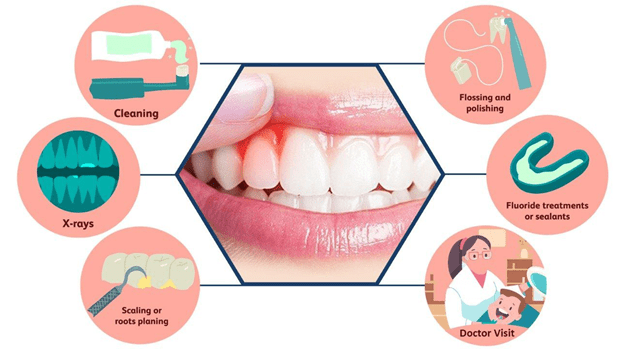
Once symptoms appear, timely and professional care is crucial. Here are the most effective treatment options:
This is the first and most common treatment for gum disease. Dentists remove plaque and tartar from above and below the gumline, allowing the gums to heal. Scaling removes hardened tartar, while polishing smoothens the tooth surface. This alone can fully reverse early gum disease.
For moderate to advanced gum disease, deep cleaning is required. It removes bacteria from deeper gum pockets and smoothens the roots to prevent future buildup.
Antibiotic gels, mouth rinses, or tablets may be prescribed to control infection.
Laser treatment removes infected gum tissue in a painless, precise manner and promotes faster healing.
When gum disease damages deeper tissues or bone, surgeries like flap surgery, bone grafts, or regeneration may be needed.
While brushing and flossing are essential, they cannot remove tartar once it forms. Professional cleaning plays a key role in gum health by:
Dentists recommend a cleaning every six months for optimal gum maintenance.
To maintain strong, healthy gums, follow these gum-friendly habits:
✔ Brush twice daily with a soft toothbrush
✔ Floss every day
✔ Use an antibacterial mouthwash
✔ Eat a nutrient-rich diet with Vitamin C and calcium
✔ Stay hydrated
✔ Avoid tobacco use
✔ Replace your toothbrush every 3 months
✔ Visit your dentist regularly
These simple steps significantly reduce the risk of gum disease.
During a gum evaluation, the dentist checks for:
Regular check-ups every six months ensure early detection and prevention.
Quality dental care is crucial for preventing, diagnosing, and treating gum disease effectively. A reliable dental clinic should offer:
Choosing the right clinic ensures your gums get the care they deserve.
Gum disease may be common, but it is entirely preventable with the right knowledge and habits. By recognising early symptoms like bleeding gums, bad breath, and gum swelling, you can act quickly and protect your smile from long-term damage.
Professional dental cleaning, daily oral care, regular check-ups, and choosing the best dental care in Vizag, Srikakulam, and Vizianagaram can help you maintain strong and healthy gums for life.